
Trinidad Dwarf Tarantula
Cyriocosmus elegans
Species Profile & Temperament

| Trait | Overview |
|---|---|
| Origin | Trinidad and Tobago, Venezuela |
| Diet Type | Insectivore |
| Activity | Nocturnal |
| Temperament | Skittish, fast, generally docile but flighty |
| Handleability | Display only (extremely fragile and fast) |
| Venom | Ask your doctor about any bite. Wash a bite that breaks the skin with soap and water. |
| Urticating Hairs | Yes |
| Difficulty | 2/5 — Intermediate Beginner |
| Hardiness | 3/5 — Moderate |
Safety Information

Defense: The primary defense mechanism is fleeing due to their extreme speed. Like most New World tarantulas, they possess urticating hairs.

First Aid: Wash any bite that breaks the skin with soap and water. If the hairs get on your skin, wash the area and keep your hands away from your eyes. Ask your doctor about any health concerns.
Handling Precautions: Handling is NOT recommended. They are extremely small, fragile, and prone to fatal injuries from even short falls.

Housing & Enclosure
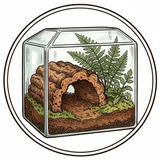
Enclosure Type & Size
- Type: Terrestrial / Fossorial (burrowing)
- Minimum: A small, secure enclosure with no gaps. Ask us in store about the right size.
- Recommended: Do not house in enclosures that are too large, as it makes monitoring and feeding difficult for dwarf species.
- Ventilation: Cross-ventilation is essential to prevent stagnant air and mold, especially with the higher humidity requirements.
- Enclosure Recommendations: Exo Terra Nano (Tall or Wide depending on depth for substrate), Tarantula Cribs small terrestrial enclosures, or ventilated acrylic boxes.
Substrate
- Recommended: Organic coconut fiber (Eco Earth), peat moss, or a topsoil mix.
- Depth: Deep enough to allow for their natural burrowing behaviors.
- Avoid: Wood chips, bark chips, sand, or any substrate that doesn't hold a burrow.
Décor & Enrichment
- Hides: Provide a small piece of cork bark or a half log. They will often dig underneath it to start their burrow.
- Water Dish: A very small, shallow water dish (like a bottle cap or small resin dish).
- Burrowing Space: Deep substrate is their primary enrichment.
Temperature
| Zone | Temperature |
|---|---|
| Ambient | Normal room temperature |
| Avoid | Heat lamps, heat pads, and direct sun |
Note: Room temperature is generally sufficient. Avoid heat lamps or heating pads, as they can quickly overheat a small enclosure.
Humidity
- Target Range: Slightly damp substrate with a drier side
- How to Maintain: Keep the substrate slightly damp (similar to the texture of coffee grounds) but not saturated.
- Overflow the water dish technique: Periodically overflow the water dish to moisten the substrate in one corner, leaving the rest of the enclosure slightly drier to allow a moisture gradient.
Lighting
- No special lighting required. Ambient room lighting is sufficient.
- Avoid direct sunlight — can overheat the enclosure rapidly.
Diet & Nutrition
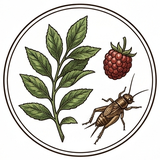
Primary Diet
- Live insects properly sized. Ask us in store what size fits your spider.
Feeding Schedule
Ask us in store how often to feed your spider and what size feeder fits it.
Prey Items
- Crickets (pinhead, small, or medium depending on tarantula size)
- Dubia roaches (appropriately sized)
- Mealworms
Supplements
- Gut-loading prey: Give your feeder insects a nutritious diet before you offer them. Follow the product label.
- Powders: Ask us in store before using any powder on feeders.
Water
- Provide a small, shallow water dish. Refresh water regularly.
Pre-Molt Fasting
- Invertebrates often refuse food before molting. This is normal and not a cause for concern.
Foods to Avoid
- Avoid: Insects that are too big for your spider.
- Avoid: Wild-caught insects (pesticide/parasite risk).
- Avoid: Vertebrate prey (mice, lizards) — completely unnecessary and dangerous for dwarf species.
Molting
Molting is the process of shedding the exoskeleton to grow. It is the most vulnerable and critical period in an invertebrate's life.
Signs of Pre-Molt
- Refusal to eat.
- Lethargic behavior.
- Darkening of the abdomen or bald spot on the abdomen.
- Sealing themselves in their burrow.
During the Molt
- DO NOT disturb, handle, or feed during a molt.
- DO NOT remove the old exoskeleton immediately.
- Ensure humidity is adequate, but do not mist directly on the spider.
- Remove any live prey from the enclosure (uneaten crickets can injure a molting invertebrate).
Post-Molt Care
- Wait until the new fangs have turned dark and hard before offering food. Ask us in store if you are unsure.
Health & Husbandry
Common Health Issues
- Dehydration — Symptoms: Shrivelled abdomen, curled legs (death curl), lethargy. / Cause: Lack of moisture and drinking water. / Prevention: Maintain proper humidity and keep a full water dish available.
- Molting Complications (Dyscdysis) — Symptoms: Stuck in old exoskeleton, lost limbs. / Cause: Too dry during molt, poor nutrition, or being disturbed. / Prevention: Ensure appropriate humidity and do not disturb during pre-molt.
- Fall Injuries — Symptoms: Ruptured abdomen, leaking hemolymph (spider blood). / Cause: Falling from a height. / Prevention: Minimize handling and ensure enclosure height is limited.
Signs of Good Health
- Plump (but not overly swollen) abdomen.
- Normal burrowing activity.
- Strong feeding response.
Signs of Illness / Distress
- Red Flag: "Death Curl" (legs curled underneath the body tightly).
- Red Flag: Shrivelled abdomen.
- Red Flag: Lethargy or unresponsiveness.
Dehydration
- A death curl or a shriveled abdomen is an emergency. Contact an exotic animal vet right away.
Veterinary Needs
- Exotic veterinarians with invertebrate experience are rare. Prevention through proper husbandry is the best medicine.
Varieties / Color Forms
Color forms and locale variants may differ in appearance but receive identical care.
- *Standard Trinidad Dwarf (Cyriocosmus elegans)* — The standard form featuring a striking copper/gold carapace, black legs, and a distinctive heart-shaped patch on the abdomen.
Compatibility
- Cohabitation: Must be housed individually. They are highly cannibalistic.
- With Other Pets: Keep far away from cats, dogs, and birds.
Handling Guidelines
- Display Only. Handling is strongly discouraged.
- They are incredibly fast, skittish, and fragile. A fall from even a short distance can kill them.
- Use a soft paintbrush to gently coax them into a catch cup when transferring enclosures.
- Never handle during or immediately after a molt.
What We Use & Recommend
These are products we use and recommend for this species. Stock varies by store, so ask us what we have in store today.
| Category | Product | Notes |
|---|---|---|
| Enclosure | Exo Terra Nano / Tarantula Cribs Small | Requires secure ventilation |
| Substrate | Zoo Med Eco Earth | Holds burrows and moisture well |
| Hides | Small Cork Bark Flats/Rounds | Essential for burrow starts |
| Water Dish | Fluker's Small Water Bowl | Or a simple shallow bottle cap |
| Feeder Insects | Pinhead Crickets | Size-appropriate prey is critical |
| Décor | Small terrarium moss | Helps maintain humidity |
Last updated: 2026-08-04
How We Keep Them at Critter Cabana & Gresham Pet Supply
- Oregon Winter Furnace Air vs. Molting Humidity: When Pacific Northwest furnaces kick on from October through April, indoor room humidity drops fast and dries out small enclosures from the top down. Rather than misting the spider or invert directly (which stresses terrestrial species and invites stagnant mold), we keep Trinidad Dwarf Tarantula on mostly dry substrate with a full shallow water dish. We let the dish overflow a little into one corner and keep good cross-ventilation.
- Safe Room Heating in the Willamette Valley: If your house gets cold on winter nights, never stick a heat pad on the bottom of a burrowing invertebrate tank—they dig down to escape heat and will cook themselves. Use a low-wattage side-mounted heat mat on a digital thermostat or keep the room at a comfortable room temperature.
- Shopping at Newberg & Gresham: For enclosures, cork bark, substrates, springtails and feeders at Critter Cabana (Newberg) and Gresham Pet Supply, ask us what we have in store today.
Common Questions (FAQ)
How do I keep my Trinidad Dwarf Tarantula warm and humid enough during an Oregon winter?
Keep your spider at a comfortable room temperature with no heat lamp. Keep the substrate mostly dry, keep a shallow water dish filled, and let it overflow a little into one corner. Never mist the spider directly. Never put a heat mat underneath the enclosure. Ask us in store for the right setup for your spider.
What size enclosure does a Trinidad Dwarf Tarantula need?
An adult Trinidad Dwarf Tarantula needs a low, wide enclosure with secure ventilation. Ask us in store for the right size for your spider. For terrestrial tarantulas and scorpions, floor space and deep substrate matter most (keep open fall height low so a fall cannot hurt your spider); for arboreal species, prioritize vertical cork bark tubes and cross-ventilation.
Can I put isopods in a Trinidad Dwarf Tarantula bioactive enclosure?
Around molting tarantulas and scorpions, skip big, hungry isopods and stick to springtails, so a soft, newly molted animal is never nibbled.
Where can I find Trinidad Dwarf Tarantula, cork bark, and feeder insects in Oregon?
Ask us what we have in store today at our two exotic animal stores: Critter Cabana in Newberg (514 E First St, 503-537-2887) and Gresham Pet Supply (2185 NW Burnside Rd, 503-665-7606).
Shop supplies for this animal
Everything for your Trinidad Dwarf Tarantula setup, ready for pickup in store or shipped to you.