
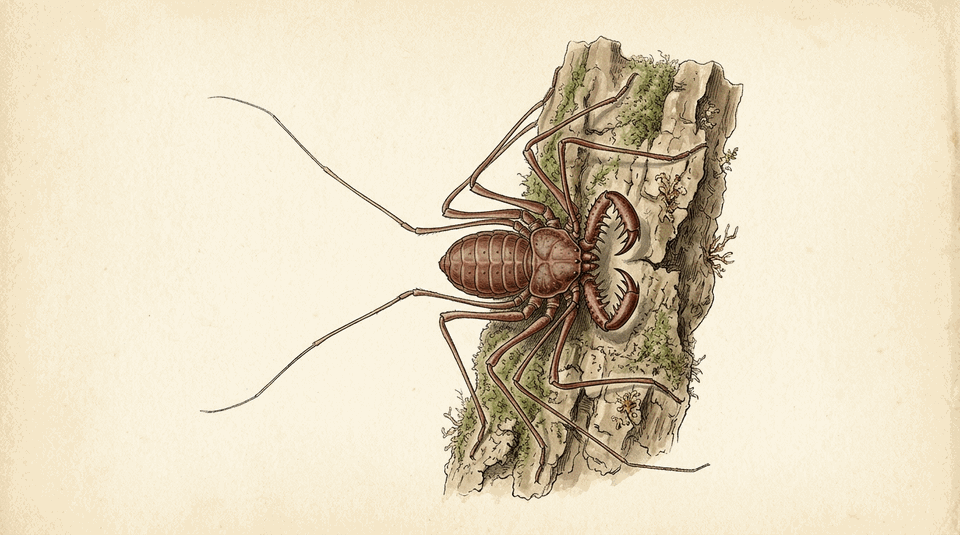
Tailless Whip Scorpion
Phrynus species (Order Amblypygi)
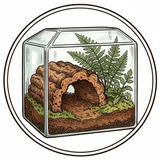
1. Tall Cork-Bark Cave & Hanging Molt Space

2. Two Great Ways to Set Up Your Habitat
Cork Bark Angles: Why Smooth Glass Won't Work!
Tailless Whip Scorpions molt by hanging completely upside-down from rough bark and dropping out of their old shell:
Option A: Wide Cork Bark Slabs Leaned at a Slight Angle (Mandatory!)
Stand wide pieces of rough cork bark from floor to ceiling at a slight lean so they have a rough ceiling to hang from with 6" of open air below.
Option B: 3D Cork/Foam Background + Hollow Cork Tree Trunk
Gives them 360 degrees of grippy bark walls! Big No-No: their feet can't grip bare glass to molt—without rough overhanging bark, they will fall during a molt!
Keeping Humidity at 70–80% RH
Because their bodies are flat as a pancake, they dry out fast if the air gets desert-dry:
Option A: 3" Damp Reptile Soil + Sphagnum Moss Floor
Keep the bottom soil damp like a wrung-out sponge and seed with Springtails to keep the cave floor mold-free!
Option B: Evening Mist Spritz + Half-Covered Screen Top
Cover half of the screen lid to hold humidity in while keeping fresh air moving.
Lighting: Keep It Shady!
In the wild they hide inside dark hollow trees and caves all day:
Option A: Shaded Room Light Only (No Bright Lamps Needed)
Skip bright overhead lights and heat bulbs in a normal 72–78°F room.
Option B: Red Flashlight for Nighttime Viewing
Sneak a peek after the room lights go out—watching them glide sideways like crabs and gently tap crickets with their feelers is mesmerizing!
3. Nighttime Bug Hunting & Molting Safety
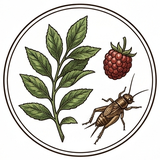
Best Bugs for Whip Scorpions:
Climb up the cork bark right into their reach!
Soft-bodied and nutritious
Awesome enrichment—they snatch flies out of the air!
They prefer soft climbing bugs over ground worms

4. Four Keys to a Happy, Thriving Tailless Whip Scorpion
6" Hanging Clearance
Almost every bad molt in captivity happens because the tank was too short or too dry. Give them tall, slanted cork bark with plenty of open space underneath!
Keep the Moss Damp
Keep the floor soil and sphagnum moss damp at 70–80% humidity so those paper-thin feeler legs stay healthy.
Watch the Feeler Legs!
Their two long whip-like front legs are delicate sensory antennas. Always look where their feelers are before closing the tank door so you never pinch one!
Sideways Teleportation
They're super gentle on a flat hand, but if you startle them they can zip sideways in a millisecond—always open the tank calmly!

Bring-Home Shopping Checklist
Tap items to check them off on your phone while you shop at Gresham Pet Supply.
Tall Cork-Cave Tank & Soil
Humidity & Tools
Live Climbing Bugs
Complete Reference Notes & Oregon Keeping Guide
Tall Cork-Bark Cave & Hanging Molt Space
CRITICAL RULE: They MUST Have Slanted Cork Bark with 6" of Open Space Underneath to Molt!

Temperature & Humidity Zones
| Zone | Target | Notes |
|---|---|---|
| Daytime Tank Temp | 72°–78°F | Warm tropical cave / tree-hollow temp |
| Slanted Cork Ceiling | Molt Zone! | Rough cork bark leaned at a 45°–75° angle |
| Humid Cave Air | 70–80% RH | Keep soil & moss damp so air stays 70–80% RH |
| Shallow Water Dish | Fresh Water | Damp moss floor + shallow water dish |
| Nighttime Temp | 68°–75°F | Shady by day, pitch dark at night |
Two Ways That Work
Cork Bark Angles: Why Smooth Glass Won't Work!
Tailless Whip Scorpions molt by hanging completely upside-down from rough bark and dropping out of their old shell:
- Option A: Wide Cork Bark Slabs Leaned at a Slight Angle (Mandatory!): Stand wide pieces of rough cork bark from floor to ceiling at a slight lean so they have a rough ceiling to hang from with 6" of open air below.
- Option B: 3D Cork/Foam Background + Hollow Cork Tree Trunk: Gives them 360 degrees of grippy bark walls! Big No-No: their feet can't grip bare glass to molt—without rough overhanging bark, they will fall during a molt!
Keeping Humidity at 70–80% RH
Because their bodies are flat as a pancake, they dry out fast if the air gets desert-dry:
- Option A: 3" Damp Reptile Soil + Sphagnum Moss Floor: Keep the bottom soil damp like a wrung-out sponge and seed with springtails to keep the cave floor mold-free!
- Option B: Evening Mist Spritz + Half-Covered Screen Top: Cover half of the screen lid to hold humidity in while keeping fresh air moving.
Lighting: Keep It Shady!
In the wild they hide inside dark hollow trees and caves all day:
- Option A: Shaded Room Light Only (No Bright Lamps Needed): Skip bright overhead lights and heat bulbs in a normal 72–78°F room.
- Option B: Red Flashlight for Nighttime Viewing: Sneak a peek after the room lights go out—watching them glide sideways like crabs and gently tap crickets with their feelers is mesmerizing!
Nighttime Bug Hunting & Molting Safety
Drop Climbing Crickets in at Dusk • NEVER Leave Crickets in with a Molting Whip Scorpion!
- Juveniles (2× Per Week): 2–3 Small Crickets or Small Dubia Roaches: They love bugs that climb right up onto the cork bark at night.
- Adults (1–2× Per Week): 2–3 Medium Crickets or Soft Roaches: Check their belly: if it's flat like a wafer, feed 'em; if it's plump like a raisin, wait a few days!
- Molting Time (Pull All Crickets!): Huge Safety Rule: Right after molting, their shell is soft white and helpless until it hardens—a single loose cricket in the tank can chew on them while they hang!
Best Bugs for Whip Scorpions:
- Live Crickets (Small/Med): Climb up the cork bark right into their reach!
- Small Dubia Roaches: Soft-bodied and nutritious
- Blue Bottle Flies / Moths: Awesome enrichment—they snatch flies out of the air!
- Skip Hard Beetles / Big Worms: They prefer soft climbing bugs over ground worms
Keeper Note: Zero Venom Fact: Despite looking like a medieval torture device, Tailless Whip Scorpions have zero venom and aren't even scorpions! Those spiky front arms (pedipalps) are just little 'Venus flytrap' baskets for hugging crickets.
Essential Keeper Rules & Pro Tips
- 6" Hanging Clearance: Almost every bad molt in captivity happens because the tank was too short or too dry. Give them tall, slanted cork bark with plenty of open space underneath!
- Keep the Moss Damp: Keep the floor soil and sphagnum moss damp at 70–80% humidity so those paper-thin feeler legs stay healthy.
- Watch the Feeler Legs!: Their two long whip-like front legs are delicate sensory antennas. Always look where their feelers are before closing the tank door so you never pinch one!
- Sideways Teleportation: Keep handling to a minimum. They can zip sideways in a flash and drop delicate legs if pinched. If you must move one, work low over a wide bin and use a cup. Always open the tank calmly!
Complete Store Setup Checklist
Tall Cork-Cave Tank & Soil
- 12"×12"×18" Tall Front-Opening Terrarium or Tall Arboreal Acrylic
- 2–3 Wide Natural Cork Bark Slabs & Hollow Cork Tubes (Floor to Ceiling!)
- Reptile Soil + Sphagnum Moss (3" damp bottom layer)
Humidity & Tools
- Shallow Water Dish + Mist Spray Bottle + Dechlorinator
- Digital Hygrometer / Thermometer (Keep at 70–80% RH!)
- 10-Inch Soft-Tip Feeding Tongs
Live Climbing Bugs
- Small to Medium Live Crickets & Small Dubia Roaches
- Bug Gut-Load Chow (for feeding the crickets)
How We Keep Them at Critter Cabana & Gresham Pet Supply
- Humid Air in a Dry Oregon Winter: When Pacific Northwest furnaces kick on from October through April, indoor air dries out fast. We keep the bottom soil and moss layer damp, keep a shallow water dish filled, and lightly mist the cork walls in the evening. We never mist the animal directly, and never during a molt.
- Gentle Room Warmth: They do best in a warm room around 72 to 78°F with no bright lamp. They hang on bark rather than burrow. If you add heat, use a low-wattage heat mat on the side of the tank, on a digital thermostat.
- Shopping at Newberg & Gresham: For enclosures, cork bark, substrates, springtails and feeders at Critter Cabana (Newberg) and Gresham Pet Supply, ask us what we have in store today.
Common Questions (FAQ)
How do I keep my Tailless Whip Scorpion warm and humid enough during an Oregon winter?
Aim for 72 to 78°F and 70 to 80% humidity. Keep 2 to 3 inches of damp soil and moss on the bottom, keep a shallow water dish filled, and mist the cork walls lightly in the evening. Skip heat lamps. If you add heat, mount it on the side on a thermostat.
What size enclosure does a Tailless Whip Scorpion need?
A tall enclosure at least 8 by 8 by 12 inches, or 12 by 12 by 18 inches for large adults. Line it with rough cork bark they can hang under, with open space below to molt.
Can I put isopods in a Tailless Whip Scorpion bioactive enclosure?
Around molting tarantulas and scorpions, skip big, hungry isopods and stick to springtails, so a soft, newly molted animal is never nibbled.
Where can I find Tailless Whip Scorpion, cork bark, and feeder insects in Oregon?
Ask us what we have in store today at our two exotic animal stores: Critter Cabana in Newberg (514 E First St, 503-537-2887) and Gresham Pet Supply (2185 NW Burnside Rd, 503-665-7606).
Shop supplies for this animal
Everything for your Tailless Whip Scorpion setup, ready for pickup in store or shipped to you.