
Emperor Scorpion
Pandinus imperator
Species Profile & Temperament

| Trait | Overview |
|---|---|
| Origin | Tropical rainforests and savannas of West Africa |
| Diet Type | Insectivore (Crickets, Roaches, Mealworms) |
| Activity | Nocturnal (Spends the day hidden in deep burrows) |
| Temperament | Highly docile and slow-moving. |
| Handleability | Best as a look-more-than-hold pet. Handle only for needed tank care, and wear gloves. |
| Venom | A sting can cause an allergic reaction. Call 911 for swelling, trouble breathing or dizziness. |
| Urticating Hairs | No |
| Difficulty | 2/5 — Easy (Excellent beginner scorpion) |
| Hardiness | 4/5 — Hardy (Very robust, provided they don't dry out) |
Safety Information

Venom/Defense: A sting can cause an allergic reaction; call 911 for swelling, trouble breathing or dizziness. Their primary defense is actually a physical pinch from their massive pedipalps (claws), which is quite strong and can draw blood.

First Aid: If pinched or stung, wash the area with soap and water. If you experience severe swelling, difficulty breathing, or dizziness, seek medical attention immediately, as this indicates a rare allergic reaction.
Handling Precautions: Handle only when tank care requires it, and wear gloves. Use long tongs and a catch cup. Do not grab them from above, and never pick them up by the tail (telson). Work low to the ground so they don't fall.

Housing & Enclosure
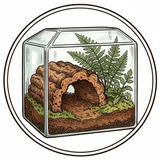
Enclosure Type & Size
- Type: Terrestrial / Fossorial (Burrowing).
- Minimum: A 10 to 20 gallon tank with more floor space than height. Exo Terra recommends about 18 x 18 x 12 inches.
- Ventilation: Standard screen top is fine. If you live in a very dry climate, you may need to cover part of the screen lid with acrylic to trap humidity.
Substrate (CRITICAL)
- Recommended: Coconut fiber (Eco Earth), peat moss, or organic topsoil.
- Depth: You MUST provide 4 to 6+ inches of substrate. Emperor Scorpions are obligate burrowers and will spend hours excavating elaborate tunnel systems.
- Avoid: ReptiBark, wood chips, or sand. These do not hold burrows or humidity properly.
Décor & Enrichment
- Hides: Provide large pieces of curved cork bark or half-log hides. They will use these as the starting point (roof) to dig their burrows underneath.
- Water Dish: Provide a large, shallow water dish. Scorpions can drown, so ensure the dish is shallow or place a few pebbles inside it so they can easily climb out.
Temperature
| Zone | Temperature |
|---|---|
| Ambient / Cool Side | 72–75°F (22–24°C) |
| Warm Side | 80–85°F (27–29°C) |
- Heating: If your house is cold, attach a small heat pad to the SIDE of the glass tank above the substrate line. Never place a heat pad underneath the tank—scorpions burrow downward to escape heat, and an under-tank heater will cook them alive.
Humidity
- Target Range: 70–80% (Tropical).
- How to Maintain: The substrate should be kept consistently damp, feeling like a wrung-out sponge. It should not be a swamp or have standing water at the bottom of the tank.
- The "Overflow" Technique: Instead of misting the surface constantly, simply overfill the water dish once a week so the water spills out and soaks into the bottom layers of the substrate.
Diet & Nutrition
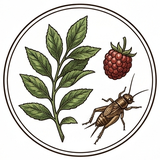
Primary Diet
- Live crickets, dubia roaches, or mealworms. They use their massive claws to crush and tear the prey apart.
Feeding Schedule
| Life Stage | Frequency | Prey Size |
|---|---|---|
| Scorpling (Baby) | 2 to 3 times a week | Prey no wider than the scorpion |
| Juvenile | 2 to 3 times a week | Prey no wider than the scorpion |
| Adult | 2 to 3 times a week | Prey no wider than the scorpion |
Pre-Molt Fasting
- If your scorpion refuses food for weeks and hides in its burrow, it is likely in pre-molt. Stop offering food immediately.
Molting
Molting is the process of shedding the exoskeleton to grow. It is the most vulnerable and critical period in a scorpion's life.
During the Molt
- DO NOT disturb, handle, or feed the scorpion.
- Ensure humidity is high (80%), as dry air will cause the scorpion to get stuck in its old skin and die.
- Remove any live crickets from the enclosure immediately. A live cricket will eat a molting scorpion alive.
Post-Molt Care
- The new scorpion will emerge looking completely white/translucent. The new exoskeleton takes time to harden and turn black again. Do not feed them until the new shell turns dark and hard, or they will break their claws.
Health & Husbandry
Common Health Issues
- Dehydration — Symptoms: Lethargy, shrunken appearance. / Cause: Enclosure kept too dry. / Treatment: Ensure the substrate is damp and the water dish is full.
- Mycosis (Fungal Infection) — Symptoms: Black or brown rotting patches on the exoskeleton. / Cause: Keeping the enclosure too wet or swampy with poor ventilation. / Prevention: Let the top layer of substrate dry out slightly between waterings, while keeping the bottom layers damp.
Compatibility
- One scorpion per enclosure. Always. Never house two scorpions together, even two Emperors. They can fight and cannibalize each other, especially during a molt.
What We Use & Recommend
These are products we use and recommend for this species. Stock varies by store, so ask us what we have in store today.
| Category | Product | Notes |
|---|---|---|
| Enclosure | Aqueon 10-Gallon Glass Aquarium | Minimum size for an adult, allows for deep substrate |
| Substrate | Zoo Med Eco Earth (Coco Fiber) | Excellent for holding moisture and supporting burrows. Minimum 4 inches deep! |
| Hides | Zoo Med Natural Cork Bark (Curved) | The perfect roof for them to start digging under |
| Water Dish | Exo Terra Shallow Water Dish (Medium) | Add a few pebbles so they can climb out easily |
| Feeder Insects | Live Crickets or Dubia Roaches | Offer at night when they are active |
| Heating | Zoo Med ReptiTherm Under Tank Heater | Mount on the SIDE of the tank, never underneath! |
Last updated: 2026-08-04
How We Keep Them at Critter Cabana & Gresham Pet Supply
- Oregon Winter Furnace Air vs. Molting Humidity: When Pacific Northwest furnaces kick on from October through April, indoor room humidity drops fast and dries out small enclosures from the top down. We keep the deep substrate damp like a wrung-out sponge by pouring water into one corner, and let the top dry slightly to stop mold. We mist the walls and decor, never the scorpion, and keep good airflow.
- Safe Room Heating in the Willamette Valley: If your house drops below 65°F on winter nights, never put a heat pad on the bottom of the tank. Scorpions dig down to escape heat and can cook. Use a low-wattage heat mat on the side of the tank, above the substrate line, on a digital thermostat. Aim for 75 to 85°F during the day.
- Shopping at Newberg & Gresham: For enclosures, cork bark, substrates, springtails and feeders at Critter Cabana (Newberg) and Gresham Pet Supply, ask us what we have in store today.
Common Questions (FAQ)
How do I keep my Emperor Scorpion warm and humid enough during an Oregon winter?
Aim for 75 to 85°F during the day and 70 to 80% humidity. Keep the deep substrate damp like a wrung-out sponge by pouring water into one corner. Keep a shallow water dish with a few pebbles in it. Mist the walls, not the scorpion. Never put a heat mat underneath the tank.
What size enclosure does a Emperor Scorpion need?
An adult needs a 10 to 20 gallon tank with more floor space than height, about 18 by 18 by 12 inches, a secure latching lid, and deep substrate to burrow in. Keep one scorpion per enclosure.
Can I put isopods in a Emperor Scorpion bioactive enclosure?
Around molting tarantulas and scorpions, skip big, hungry isopods and stick to springtails, so a soft, newly molted animal is never nibbled.
Where can I find Emperor Scorpion, cork bark, and feeder insects in Oregon?
Ask us what we have in store today at our two exotic animal stores: Critter Cabana in Newberg (514 E First St, 503-537-2887) and Gresham Pet Supply (2185 NW Burnside Rd, 503-665-7606).
Shop supplies for this animal
Everything for your Emperor Scorpion setup, ready for pickup in store or shipped to you.